Selecting the right commercial roofing system is a critical decision that impacts your building's protection, energy efficiency, and long-term maintenance costs. This comprehensive guide will help you navigate the options and make an informed choice for your business.
Understanding Commercial Roofing Systems
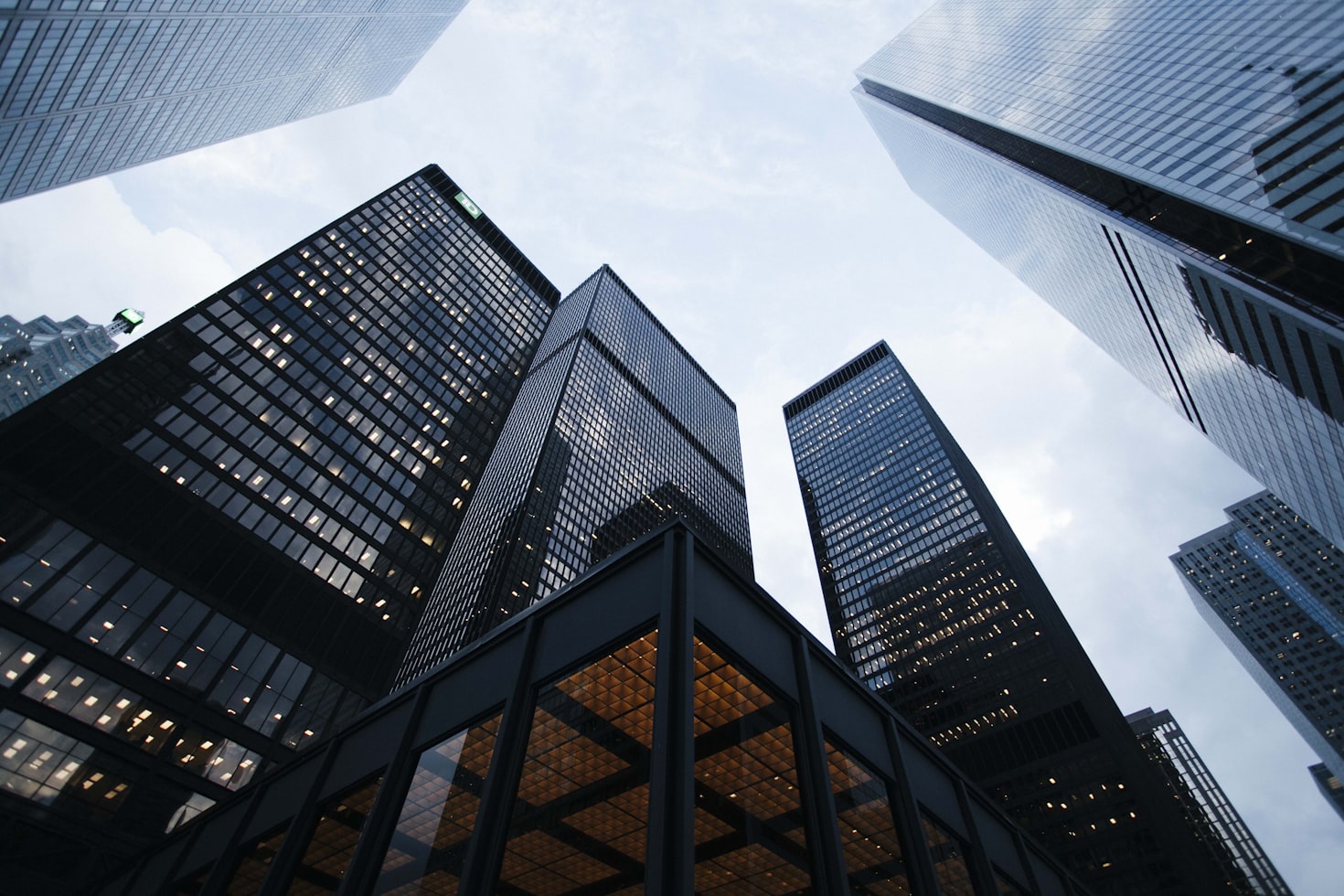
Commercial roofing systems differ significantly from residential ones, primarily due to the larger surface areas, different structural requirements, and specific business needs. The right roofing system should align with your building's architecture, local climate conditions, and budget constraints.
Types of Commercial Roofing Materials
1. Single-Ply Membranes
Single-ply membranes are popular for their durability and ease of installation. The two main types are:
- TPO (Thermoplastic Polyolefin): Energy-efficient, reflective, and resistant to UV radiation.
- EPDM (Ethylene Propylene Diene Monomer): Durable synthetic rubber roofing membrane known for its longevity and weather resistance.
2. Built-Up Roofing (BUR)
Traditional built-up roofing consists of multiple layers of bitumen and reinforcing fabrics that create a finished membrane. It's known for its durability and waterproofing capabilities.
3. Metal Roofing
Metal roofing offers exceptional longevity and can be an excellent choice for commercial buildings. Options include:
- Standing seam metal roofing
- Metal shingles
- Metal tiles
"The average commercial roof lasts about 20-30 years, but with proper maintenance and the right material selection, many commercial roofs can last significantly longer."
Factors to Consider When Choosing a Commercial Roof
1. Climate and Weather Conditions
Your local climate plays a significant role in determining the most suitable roofing material. Consider:
- Temperature extremes
- Precipitation levels
- Wind resistance requirements
- UV exposure
2. Building Structure and Load-Bearing Capacity
Different roofing materials have varying weight requirements. Ensure your building's structure can support the weight of your chosen roofing system, especially when considering options like green roofs or solar panel installations.
3. Energy Efficiency
Energy-efficient roofing can significantly reduce your building's cooling costs. Look for materials with high solar reflectance and thermal emittance ratings.
4. Maintenance Requirements
Consider the long-term maintenance needs of each roofing system. Some materials require more frequent inspections and repairs than others.
Installation and Professional Assessment
Professional installation is crucial for maximizing the lifespan of your commercial roof. A qualified roofing contractor will:
- Conduct a thorough inspection of your existing roof (if applicable)
- Assess your building's specific needs
- Recommend the most suitable roofing system
- Provide expert installation
- Offer maintenance plans and warranties